
Foreword:
How much weight can a single piece of rope carry?
How many legends can a century-old factory continue to write?Fewer than one in a thousand manufacturing enterprises in China have a history of over a century.Century-old manufacturing enterprises in Shandong Province can be counted on one's fingers.
Yet, in Qingdao, there is such an enterprise that has walked through a hundred years with a single rope.
It is Haili.
A century of craftsmanship, with original intention unchanged; a legacy passed down, revitalizing the nation through industry. To ensure the spirit of this century-old manufacturing heritage iscarried forward, we are launching the "Story of Haili" series. These articles will take you through Haili's hundred-year journey, unlocking the code of growth for a rope spanning a century. In this first installment, we open the pages of this legend, witnessing how this red string, woven in Qingdao, carved out a place for national industry against the torrents of time.
I
In 1922, Qingdao finally returned to the embrace of the motherland. In that turbulent era, a group of national capitalists, dreaming of saving the nation through industry, turned their gaze to this land by the Yellow Sea. One of them was Duan Juchuan, the chairman of the Jinan Xiejucheng
Department Store.
The lace and cords sold by Xiejcheng were almost entirely sourced from Shanghai, while thefive-zhang rope used for tying hair relied on Japanese-owned trading companies. Duan Juchuan thought: "If we could produce it ourselves, the price would be cheaper, benefiting the country, the people, and ourselves." A dream of developing national industry quietly took root in his heart.
In the autumn of 1922, Duan Juchuan came to Qingdao for an inspection. He found that Qingdao's
conditions in terms of electricity, transportation, and raw material supply were far superior to Jinan, with broad market prospects. He immediately discussed with three other shareholders and decided to establish the "Xiecheng Lace Factory" in Qingdao. The name "Xiecheng" implied "working
together in harmony, all things can be achieved." The factory site was chosen near the bustling train station.
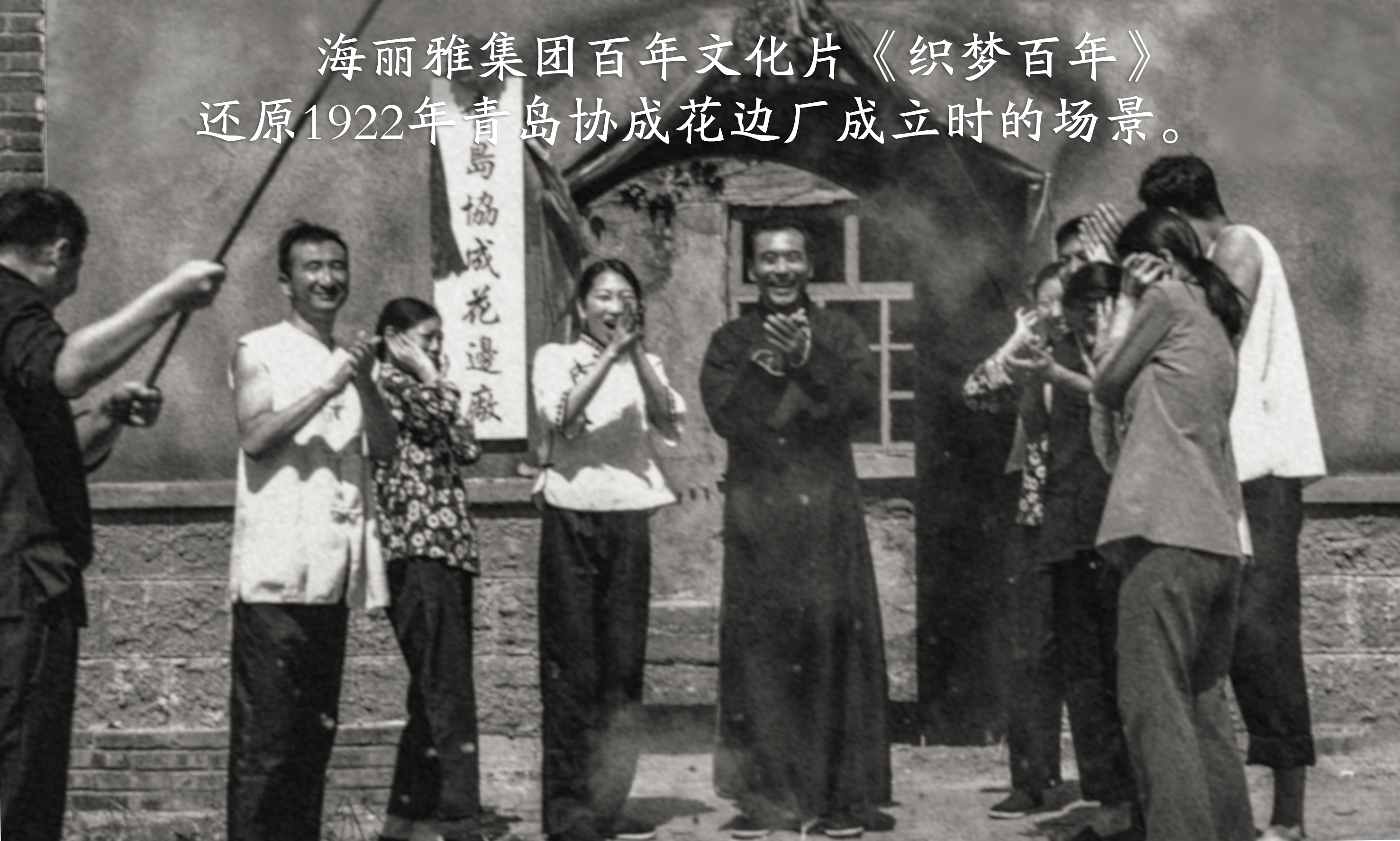
Picture -Taken from the cultural film of the Haili"Weaving Dreams for a Century"
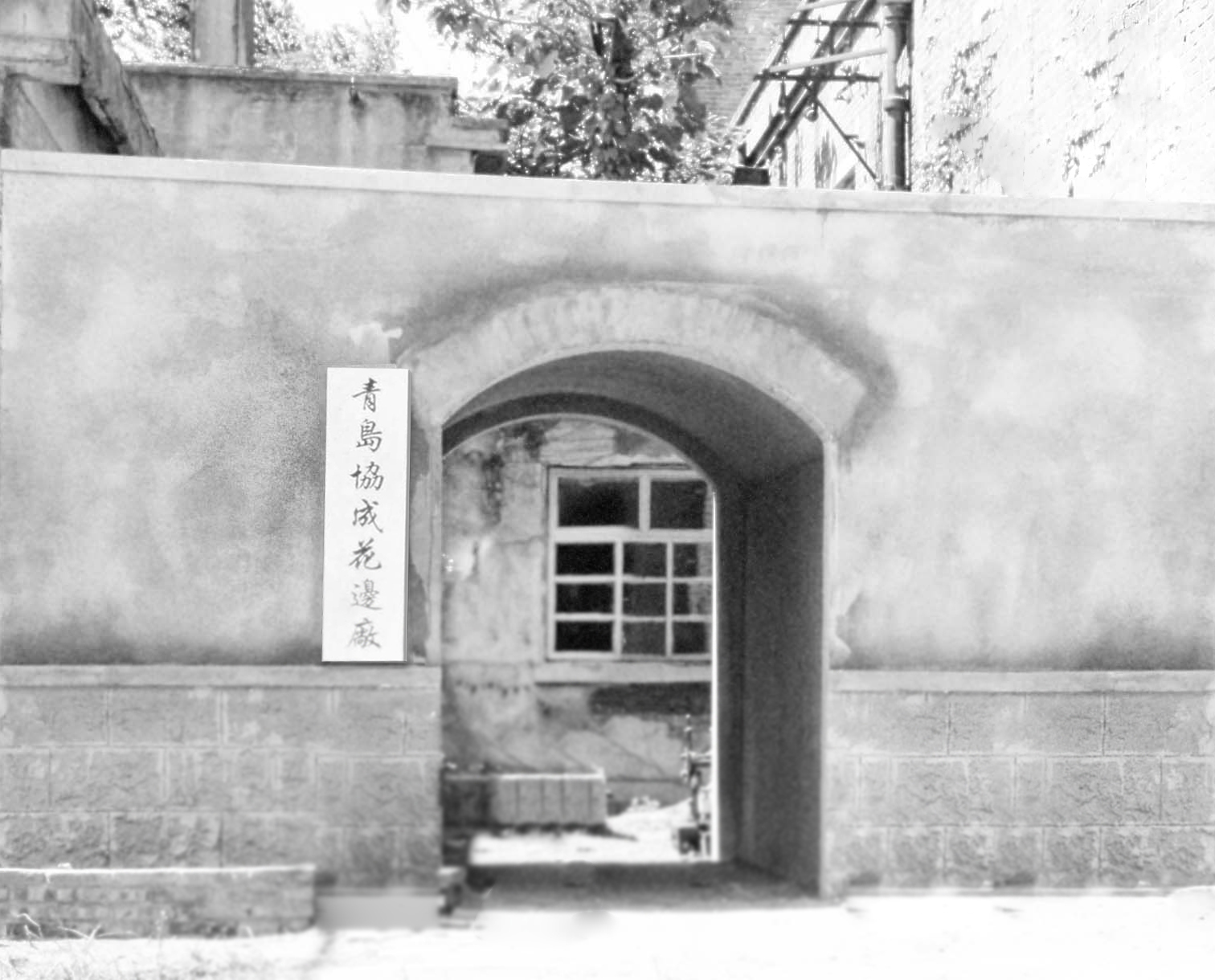
Qingdao Xiecheng Lace Factory (Taken on autumn of 1922)
Duan Juchuan acted with vigor and decisiveness. He appointed Hao Hansheng to organize the factory and hired Sun Yujun, an employee of the Takaya Hiroyuki, as General Manager.Sun Yujunrented a civilian house as a workshop for one silver dollar per monthpurchased one hundre dknitting machines from Osaka ,Japanand recruited ten workers from rural areas. In January 1923, the Xiecheng Lace Factory officially commenced operations, and the first batch of five-zhang rope(red string) produced by Chinese people was born.
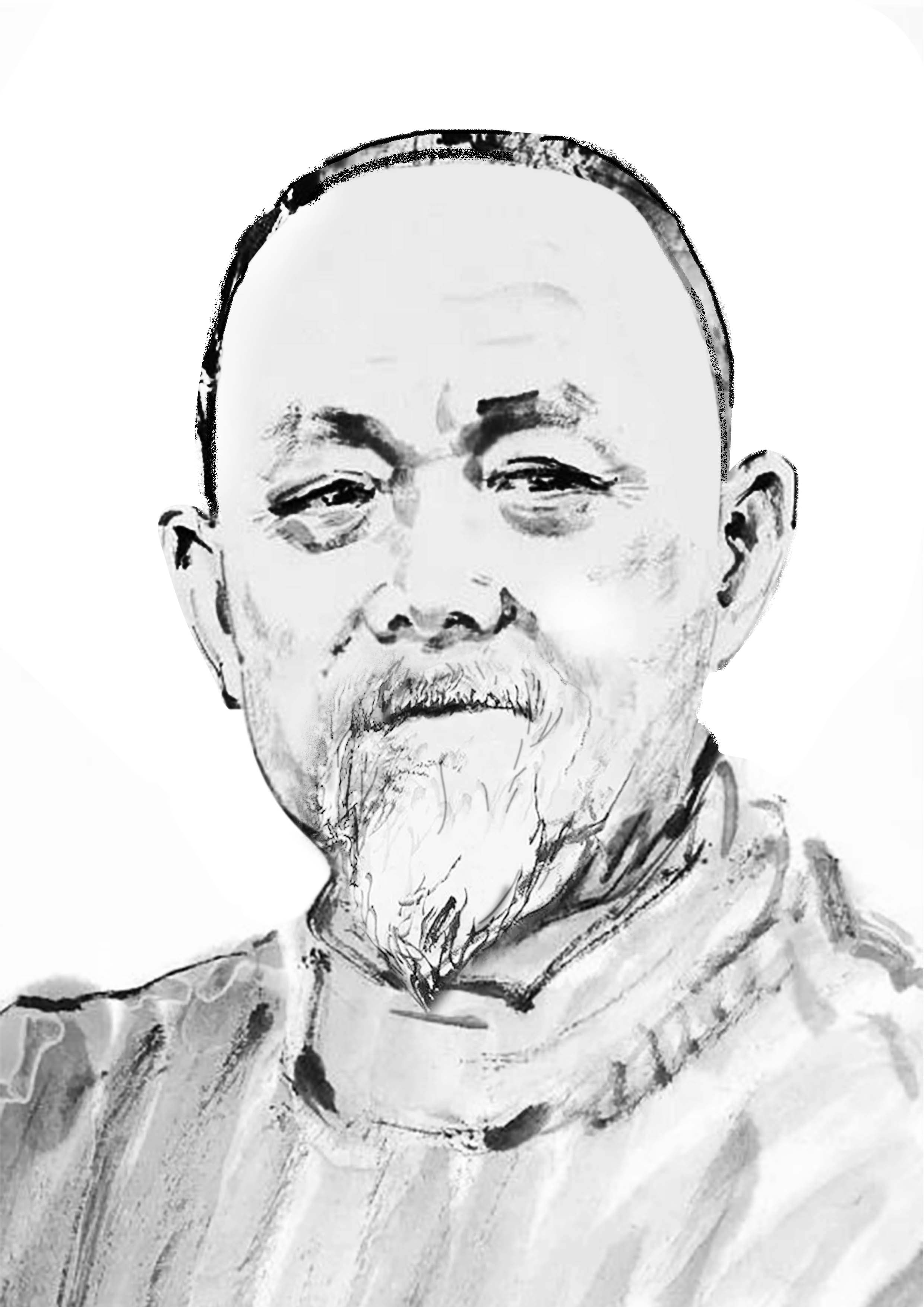
Duan Juchuan
Coinciding with the Lunar New Year, the brightly colored and affordable red string became an instant hit, a sought-after item in every household. Under Sun Yujun's management, Xiechengfocused on internal quality control and external market expansion. Within just two years, it
possessed five hundred knitting machines, established a dyeing workshop, increased its workforce to eighty workers, and produced ten different product varieties, selling them throughout North China and even establishing a branch factory in Yantai. Duan Juchuan simultaneously traded in rayon, accumulating substantial capital that laid a solid foundation for the factory's growth.
II
However, the good times were short-lived. After 1926, five new lace factories emerged in Qingdao, saturating the market and intensifying competition. Xiecheng lost many of its old customers, facing its first existential crisis. Duan Juchuan decisively hired a management wizard, Song Yunju, to take charge of the factory.
Song Yunju had only a primary school education but possessed a unique set of management
strategies. He signed "gentlemen's agreements" with long-standing clients, stabilizing their
patronage through preferential terms like sales on credit and installment payments. He focused intensely on internal operations, moving constantly through the workshops to strictly enforce
quality control and severely penalize human errors. He expanded the product line to over twenty varieties and more than eighty colors and designs, purchasing shuttle looms from Shanghai to
produce sock garters. He also hired a craftsman from Jiangsu at a high salary, who successfully developed an exclusive "press-locked lace" that quickly captured the market.
Ultimately, Song Yunju leveraged the company's strong financial position to launch a price war,
slashing the price of "press-locked lace" from 2.4 yuan per bundle to 0.3 yuan, even selling at a loss to completely crush the competition. By 1933, the last rival, "Hongji," also declared bankruptcy.
From 1926 to 1936, Xiecheng entered its heyday. It possessed various types of machinery and
dyeing equipment, employed over one hundred workers, and produced nearly thirty product types, selling them throughout several North China provinces and along the Longhai Railway corridor. It
became the largest and earliest lace manufacturer north of the Yangtze River, earning the title "First Family North of the Yangtze."
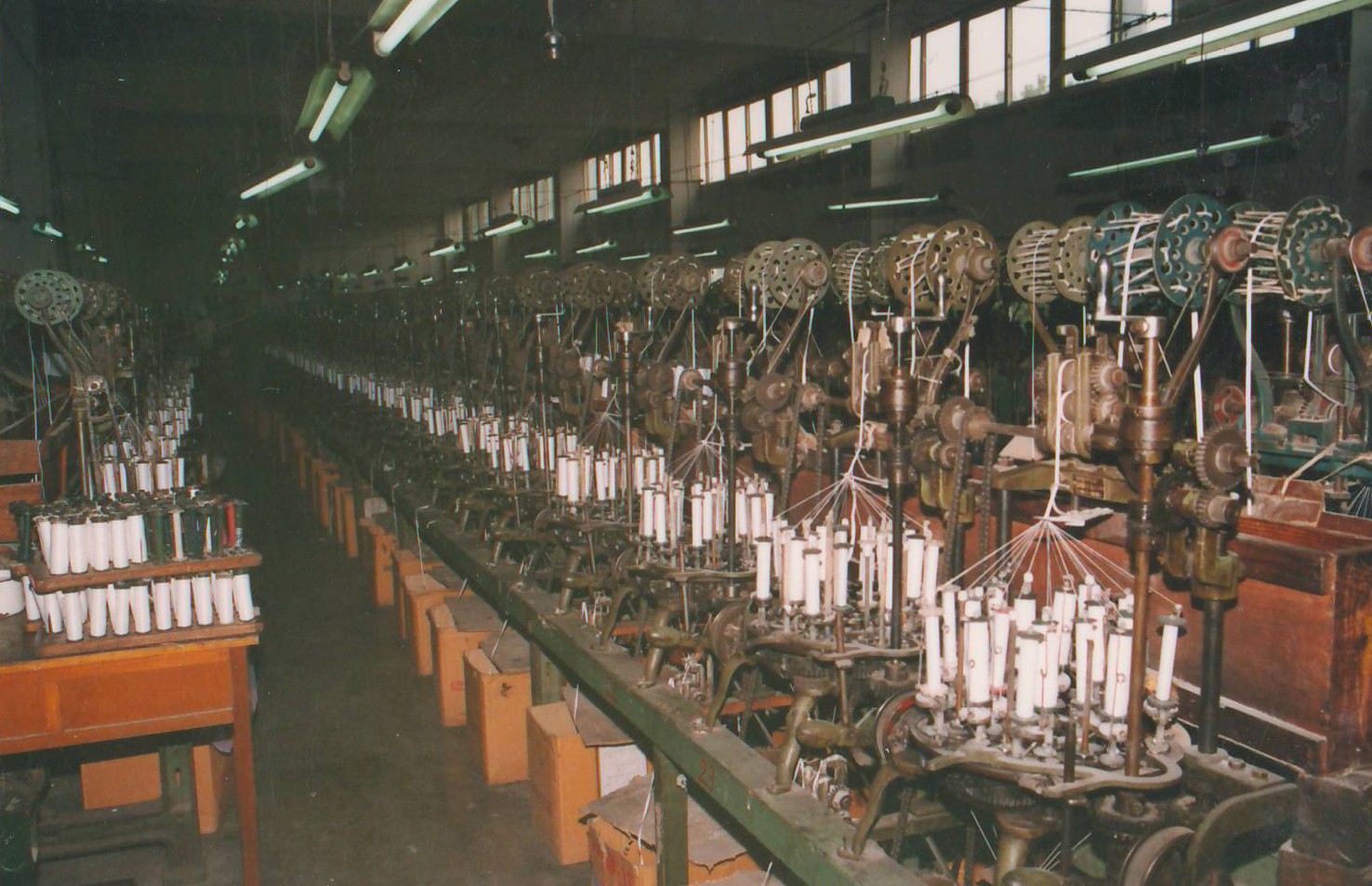
The scene of the old factory workshop
III
Amidst the chaos of war, it was difficult for industry to thrive. Following the outbreak of the Marco Polo Bridge Incident in 1937, Duan Juchuan's plans to relocate and build new factories had to be
shelved. In 1938, the cowhide he had purchased for 300,000 yuan from Henan was washed away by floodwaters when the Huayuankou dike was breached, and the cotton yarn bought from Shanghai became a total loss due to the war. Despite Song Yunju's desperate efforts to keep things going,
under the continuous blows of the War of Resistance against Japan and the subsequent civil war, Xiecheng gradually withered and nearly ceased production.
In 1947, a weary and wounded Duan Juchuan returned to Qingdao. He stroked the dust-covered machines and, with a heavy heart, handed the factory over to others. This industrialist's dream of saving the nation was ultimately swallowed by the smoke of that era.
Flowers bloom and wither, tides ebb and flow. The Xiecheng Lace Factory faded into the mists of history. Yet, the red string woven in Qingdao was never truly broken. It waited quietly, waiting for the arrival of a new era, waiting for the miracle of rebirth from the ashes.
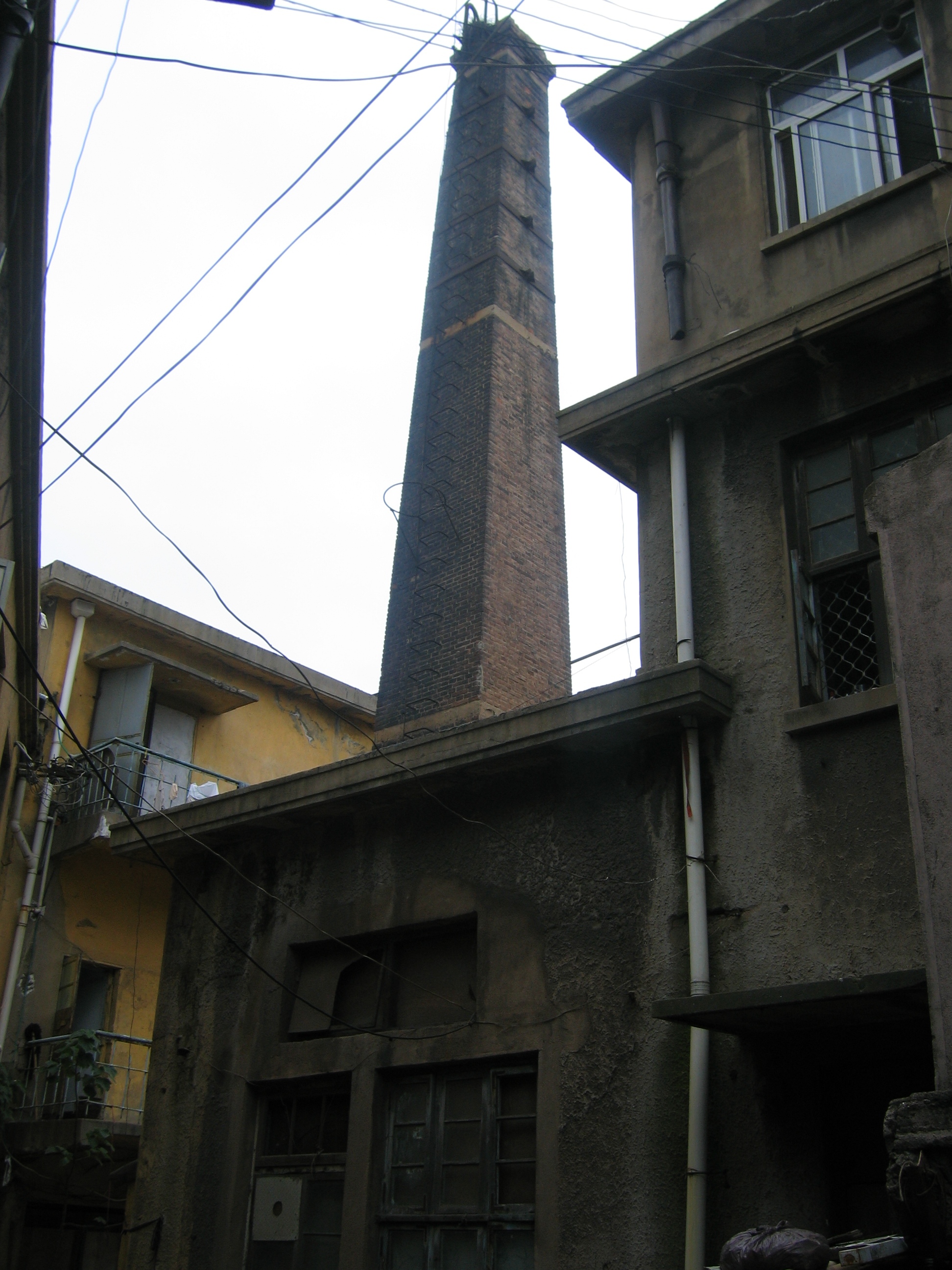
A corner of the original Xiecheng Ribbon Factory.
Conclusion:
Starting from a simple red string and rising to become the largest lace manufacturer north of the
Yangtze, the Xiecheng Lace Factory once stood atop the waves of the Republican era, yet ultimately could not escape the devastation of war. Duan Juchuan's shattered industrial dream was one man's regret, but even more so, it reflected the tragedy of an era. However, this rope woven in Qingdao
was never truly severed. With the liberation of Qingdao in 1949, the dust-covered machines would finally be restarted. The rebirth of the Xiecheng Lace Factory was quietly beginning...
Stay tuned for the next installment of "The Story of Haili."
